Top Signs Your Roof Needs Repair: Expert Roof Services for Residential Customers
Many homeowners tend to ignore telltale indicators that suggest a roof requires attention. Discoloration, missing shingles, and moisture buildup can serve as indicators of deeper structural problems. These problems, if ignored, could escalate, undermining the safety and stability of the home. Recognizing these indicators is essential for preserving both safety and property value. That said, determining the right time to call a professional can be difficult. What important factors ought homeowners evaluate before taking that step?
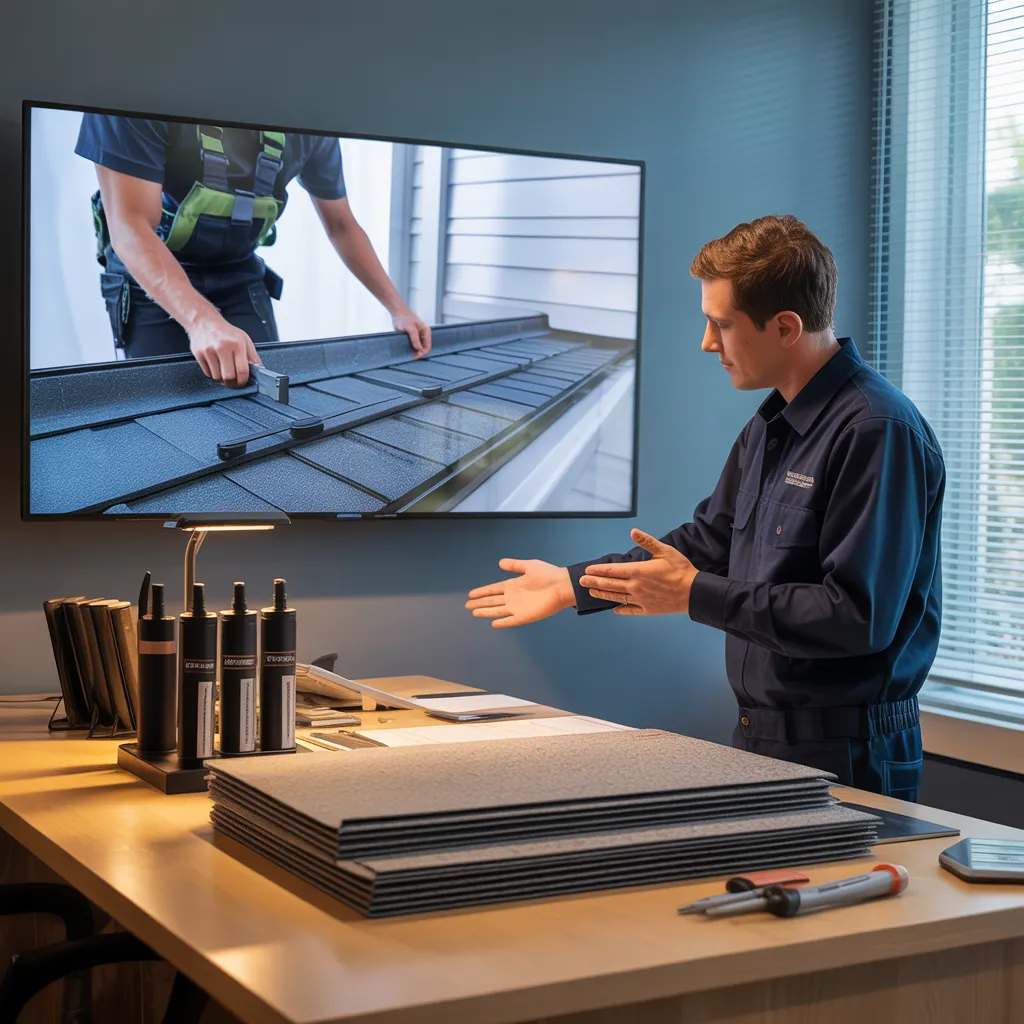
Frequent Signs That Your Roof Needs Attention
Homeowners should be vigilant for multiple critical warning signs that signal a roof may need repair. One major warning sign is shingles that are missing or damaged, which allow moisture to penetrate the underlying materials. Furthermore, visible dark spots or discoloration across the roof often point to existing leaks or water-related damage. Homeowners should also inspect the attic for evidence of moisture, mold development, or structural sagging, as they are often signs of serious underlying structural concerns. Granules accumulating in gutters can suggest shingle deterioration, while visible daylight through roof boards is often a sign of significant structural wear. Another important sign is increased energy bills, which can stem from inadequate insulation or ventilation due to roof damage. Addressing these warning signs promptly helps avoid more severe damage and expensive repairs in the future. Routine inspections and upkeep are critical for maintaining the long-term performance and integrity of a residential roof.
The Effects of Weather on Your Roof
While a roof is designed to withstand various weather conditions, its durability can be substantially affected by external elements. Extreme temperatures, heavy rainfall, snow, and wind can lead to deterioration over time. As an example, long-term exposure to UV rays can cause shingles to become brittle and crack, while too much moisture can cause mold growth and rot.
Extremely cold temperatures can result in ice dam formations, which block proper drainage and may cause water to back up under shingles. Moreover, powerful wind gusts can dislodge roofing materials, subjecting the underlying structure to greater damage. Consistent weather variations can deteriorate seals and flashing, heightening the risk of leaks.
Homeowners must stay alert, as climate-related damage can compromise the roof's integrity. Detecting these issues at an early stage facilitates swift remedial measures, ultimately preserving the roof's lifespan and functionality. Understanding the relationship between weather and roofing materials is critical for proper roof maintenance.
The Value of Consistent Roof Maintenance
Consistent roof maintenance is vital for ensuring the durability and performance of a roofing system, as overlooking this necessary maintenance can result in expensive repairs and early deterioration. Scheduled inspections can uncover minor defects before they grow into serious problems, maintaining the roof's structural soundness. Moreover, consistent upkeep works to eliminate leaks, which can result in significant harm to a home's interior and undermine its structural stability.
A clean roof is essential to its longevity, as debris can trap moisture, resulting in mold growth and the breakdown of roofing materials. Moreover, maintenance can enhance energy efficiency by assuring proper insulation and ventilation. Homeowners who commit to routine roof care not only extend the lifespan of their roofs but also preserve their investment, delivering true peace of mind. Through arranging professional maintenance, homeowners can guarantee that their roofs remain in peak condition, protecting their homes from the elements.
Rooftop Inspection Safety Guidelines
Conducting a roof inspection demands close consideration of safety protocols to avoid accidents and injuries. As a first step, individuals should outfit themselves with proper safety gear, including a reliable helmet, slip-resistant shoes, and a harness. It is imperative to inspect the roof's condition before climbing; if it looks unstable or wet, delaying the inspection is recommended.
Utilizing a solid ladder is necessary; it should reach a minimum of three feet past the roofline to ensure safe entry. Three points of contact with the ladder should always be maintained by inspectors. As individuals navigate the roof, they must refrain from stepping on vulnerable spots, such as sections affected by moss growth or sagging. Furthermore, the presence of a partner can improve overall safety, enabling prompt help when required. As a final precaution, understanding local guidelines related to roof access is recommended to guarantee adherence and reduce hazards throughout the inspection.
Repair vs. Replacement: Key Considerations
Determining whether to repair or replace a roof is a crucial choice homeowners are confronted with when damage becomes apparent. Essential elements to assess include the extent of the damage, the age of the roof, and the general state of the roofing materials. If the deterioration is limited in scope—such as a few missing shingles—a repair may be the appropriate solution. However, if the roof is nearing the end of its lifespan or has widespread issues, a full replacement could prove more economical over time.
Homeowners should also evaluate the potential for recurring issues and the financial impact of both options. A short-term solution could cause higher expenditures if continued wear takes place. Moreover, energy efficiency and aesthetic factors may impact the choice, as a new roofing system can improve a home's market value and visual appeal. In the end, a detailed review of these considerations will guide homeowners in making the best choice for their particular circumstances.
When Do You Need to Call in the Roof Repair Experts?
At what point should homeowners consider reaching out to roof repair specialists? Property owners ought to reach out to professionals when they notice signs of visible damage, like displaced shingles, persistent leaks, or bowing portions of the roof. Moreover, when water stains become visible on interior ceilings or walls, this suggests underlying roof find out more concerns that require urgent attention. Property owners must remain alert following intense weather conditions, since strong winds and torrential rain can worsen pre-existing weak points.
Another important indicator is the appearance of mold and algae formation, which can indicate excess moisture buildup and necessitate expert assessment. When homeowners notice they are frequently repairing minor issues, it may suggest deeper underlying problems. In the end, age is a contributing factor; roofs that are close to the end of their service life can greatly benefit from professional evaluation. Addressing these concerns promptly can avoid more extensive damage and high repair costs later on.
Frequently Asked Questions
How Long Can I Expect My Roof to Last?
A typical roof can last between 20 to 50 years, depending on materials and maintenance. Elements like weather conditions, the quality of installation, and routine inspections play a significant role in determining its lifespan and effectiveness.
What Materials Are Best for Roofing Repairs?
Metal, asphalt shingles, and rubber membranes are considered the best materials for roofing repairs. These options offer strength, resistance to weather conditions, and cost-effectiveness, guaranteeing reliable protection and performance across a range of roofing needs.
How Much Does Roof Repair Usually Cost?
The typical cost of roof repairs falls between $300 and $1,500, influenced by the scope of the damage and the type of materials needed. Elements including location, labor, and specific repair requirements can significantly impact the total expense.
Am I Able to Handle My Own Roof Repairs?
Absolutely, an individual can fix a roof on their own, so long as they possess the needed skills and tools. That said, adequate safety protocols and a thorough understanding of roof materials are critical to guarantee efficient and enduring repairs.
What Should I Do After a Storm?
After a storm , individuals should inspect their roofs for apparent damage , identify any leaks within the home , document any issues with images , and consider contacting a certified specialist for a comprehensive evaluation and necessary repairs to ensure safety .